.png?width=100&height=100&name=Untitled%20design%20(10).png)

The Essential Guide to Pruning Mature Trees: Keeping Your Landscape Giants Healthy
If you are looking at the grand old trees in your yard and wondering if it's time for a trim, here is everything you need to know about pruning mature trees responsibly.
Mature trees are the crown jewels of any landscape. They provide sweeping shade, boost property value, and add unparalleled beauty to our homes. But when it comes to maintaining these towering giants, don't prune on a whim. Every cut you make changes how the tree grows and interacts with its environment.
Why Prune? Have a Good Reason
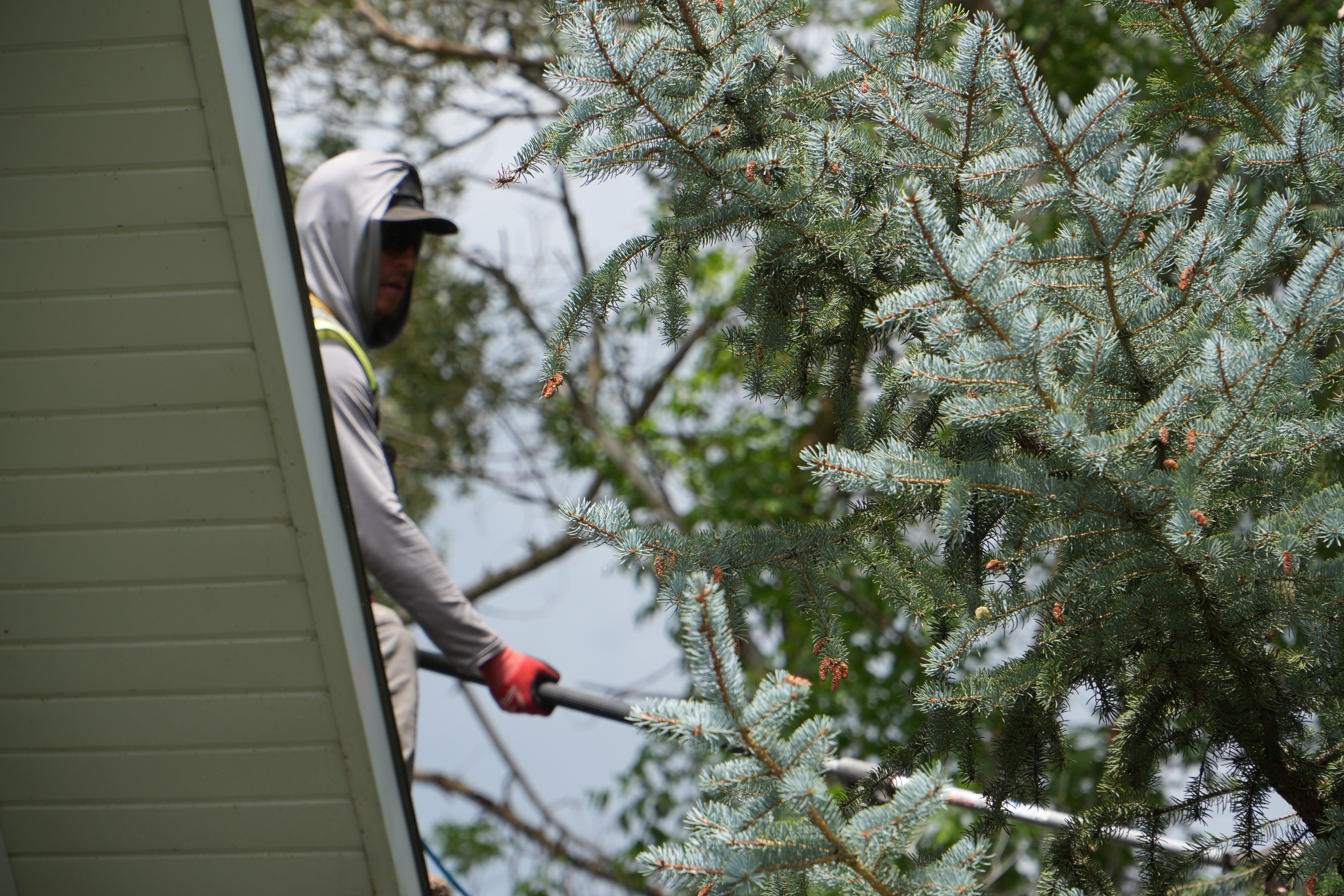
Unlike humans, trees don't necessarily need a "routine haircut" to stay healthy. In fact, leaves are the food factories of a tree, producing the sugars it needs to grow and thrive. Removing too much of a tree's canopy can actually starve it and drain its energy reserves.
You should only prune a mature tree if you have a specific goal in mind. Good reasons to prune include:
- Safety and Risk Reduction: Removing dead, dying, or structurally weak branches before they fall.
- Clearance: Keeping branches away from power lines, rooftops, or walkways.
- Tree Health: Opening up the canopy slightly to allow more sunlight and air circulation to reach the interior branches or the lawn below.
Timing is Everything: When to Prune
If you are simply snipping away dead, diseased, or broken branches, you can do this safely at any time of the year.
However, if you need to prune live branches, timing matters. The best time to prune is just before the spring growth spurt begins, as this allows the tree to heal and close the wound quickly. You should avoid heavy pruning right after the spring flush of new leaves; the tree has just expended a massive amount of energy growing that foliage, and removing it immediately causes severe stress.
⚠️ A Vital Warning for Oak Trees: Some diseases, such as the devastating oak wilt, easily spread through fresh pruning wounds. To protect your oaks, absolutely avoid pruning them from February through June when the risk of infection is at its highest.
The Art of the Proper Cut
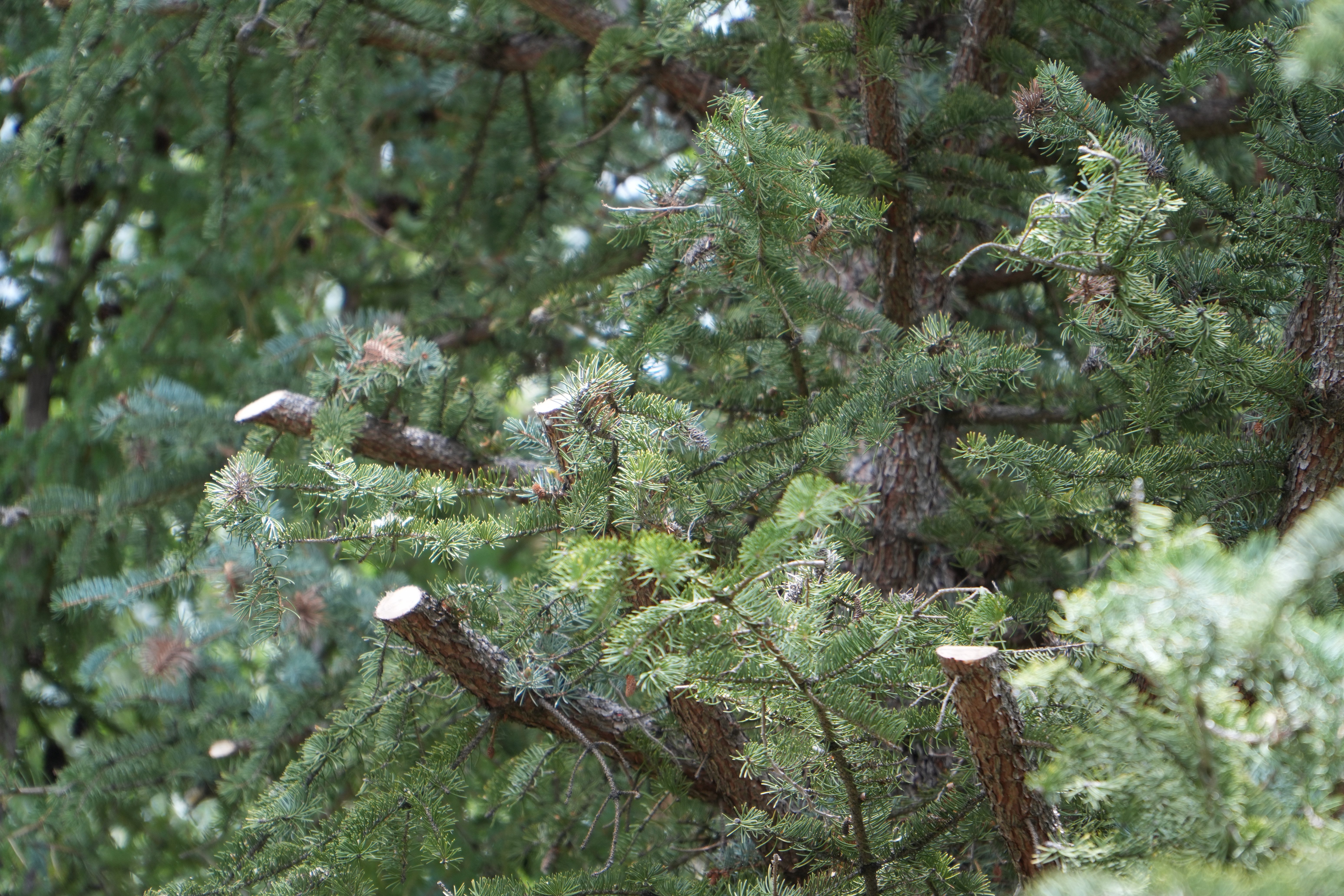
Improper cutting is one of the leading causes of internal tree decay. To keep your tree healthy, keep these cutting rules in mind:
- Respect the Collar: When removing a branch completely, make your cut just outside the "branch collar"—the slightly swollen area where the branch meets the trunk. Never cut flush against the trunk (a "flush cut"), as this permanently damages the tree's ability to heal over the wound.
- Shortening a Branch: If you just need to shorten a branch, cut it back to a secondary (lateral) branch. Make sure this secondary branch is at least one-third the diameter of the branch you are removing. Cutting between branches leaves an ugly stub that invites rot.
- The 3-Cut Method for Heavy Limbs: Never cut a large, heavy branch with a single top-down cut. The weight of the falling branch will tear a massive strip of bark down the trunk of your tree. Instead:
- Make a small undercut on the bottom of the branch about 12 to 18 inches away from the trunk.
- Make your main cut from the top, slightly further out than your undercut. The heavy branch will fall cleanly.
- Carefully cut off the remaining 12-to-18-inch stub right at the branch collar.
The 25% Rule
When it comes to mature trees, less is more. Try to accomplish your pruning goals while minimizing the loss of healthy branches. As a golden rule of arboriculture, never remove more than 25% of a tree’s canopy at one time. Taking more than a quarter of the tree's foliage can shock the tree and severely stunt its growth.
To Paint or Not to Paint?
For decades, people painted tree wounds with black tar or wound dressing, thinking it helped the tree heal. Today, we know that tree wounds heal best when left completely bare to the open air.
There is one major exception: Oak trees. If you prune an oak tree, you must paint the cut immediately with wound dressing or latex paint to physically block the insects that carry oak wilt disease. For any other tree species, leave the paint in the shed.
Know When to Call a Pro
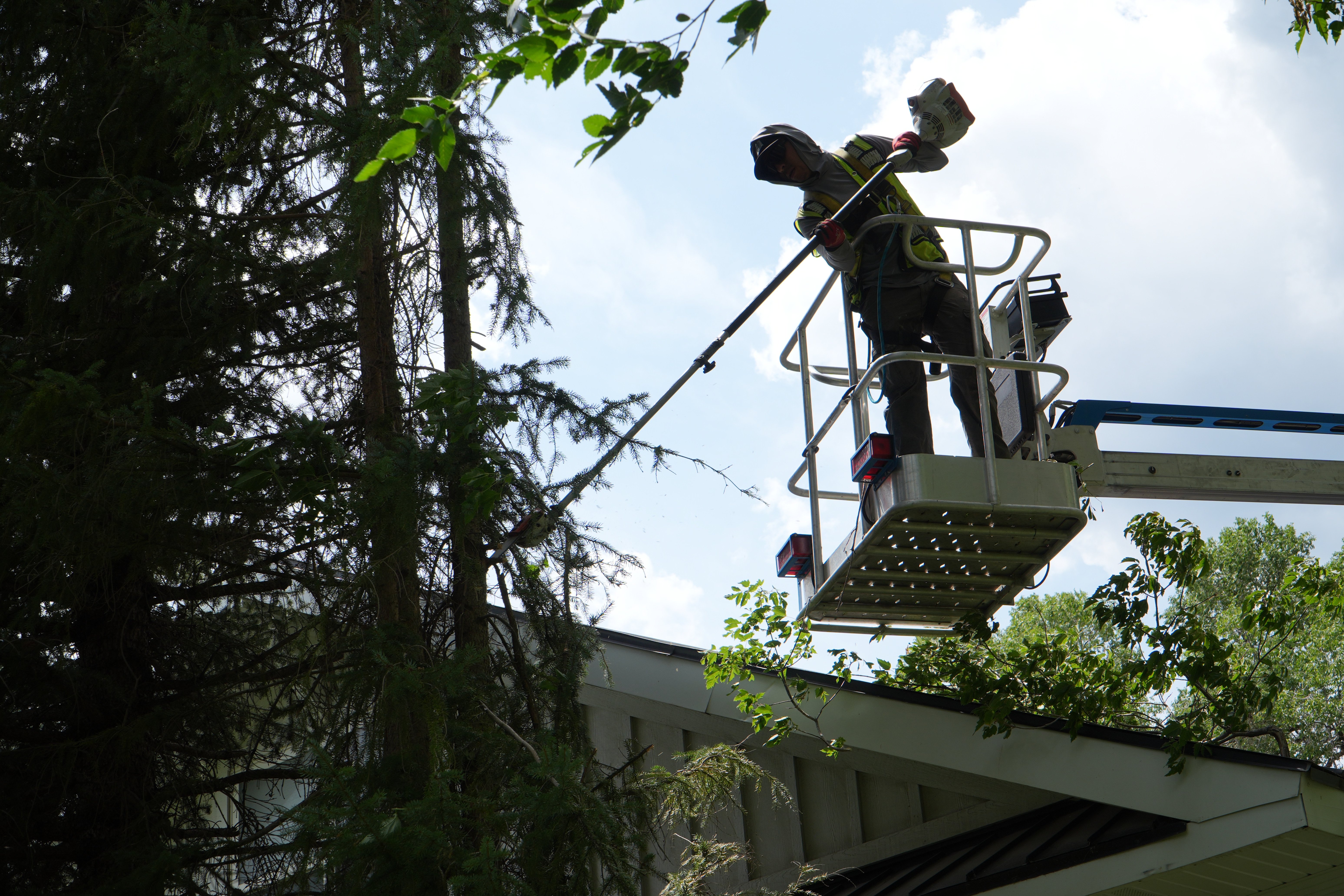
Pruning large, mature trees is not a standard DIY weekend project. If a branch requires you to leave the ground, climb a ladder, or operate a chainsaw near your roof, it is time to call a certified arborist.
Professional arborists have the specialized knowledge to know exactly which branches to remove without harming the tree. More importantly, they have the proper safety gear, bucket trucks, trained crews, and liability insurance to make sure the heavy lifting is done safely.
.png?width=120&height=120&name=Untitled%20design%20(10).png)
Comments